Barrier
Distance, time, tickets
A museum visit takes planning. For many people that plan never becomes today.
Culture should not require a ticket, a trip, or a free afternoon. ARGOS turns the museum into a playable detective game on your phone. Inspect an artifact, step into the moment it came from, question witnesses, and solve the case through your own choices.
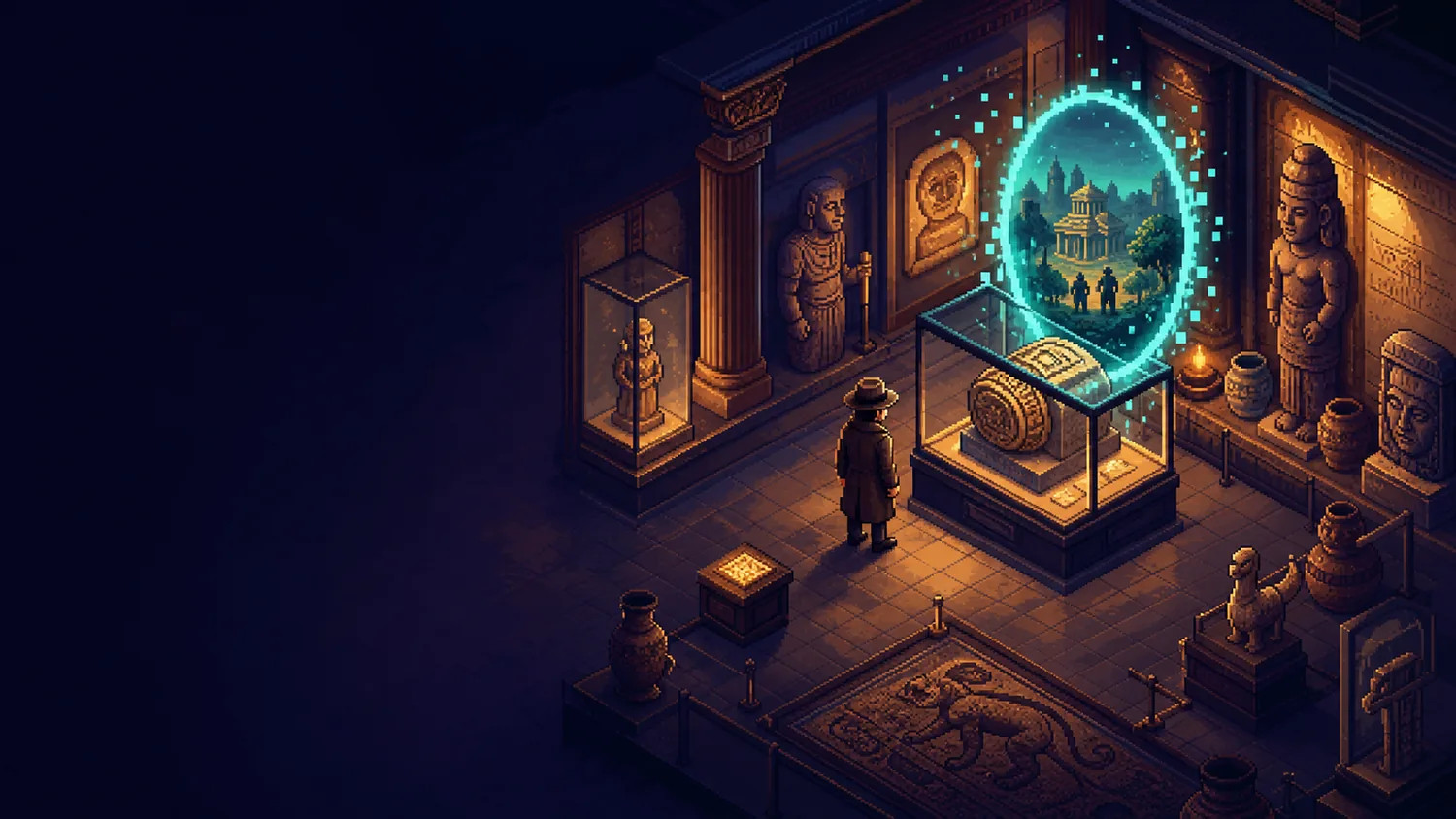
Hundreds of museums hold deep cultural memory, yet most people only see a few of them in a lifetime. Distance, time, cost, and flat exhibition labels keep culture feeling far away. ARGOS makes that cultural memory playable, portable, and memorable.
A museum visit takes planning. For many people that plan never becomes today.
A label next to glass rarely makes an artifact feel alive. History sticks when it becomes something you experience.
ARGOS turns culture into a pixel art investigation you can open on the bus, during a break, or before sleep.
We make cultural memory accessible through the App Store, not only through the ticket desk.
In ARGOS, an artifact is not just an object behind glass. It is the entry point to a murder, a missing piece, or a witness that history almost forgot.
You do not memorize labels. You follow clues. History moves through the characters you question, the objects you inspect, and the cases you solve. What stays with you is not a lesson you crammed, but a story you lived.
Rotate the artifact, zoom into details, and catch the scratch that might become your first real clue.
The silence of the museum breaks. You enter the period and the scene where the event happened.
Question AI witnesses, compare statements with evidence, and catch the lie yourself.
Move freely through pixel art rooms. Your active case is visible, but you are free to inspect halls, displays, and small hidden details.
When the right clue is found, the artifact becomes a door into its own moment: a workshop, a stolen night, or a scene that still has witnesses.
Talk to historical characters. You choose the questions, the answers shift slightly each run, and the case moves when you prove a contradiction.
The artifact in the display looks complete, except for a small bronze ring. Museum records look clean and witnesses speak calmly, but the marks on the surface tell another night. First question: who took it, when, and why was it returned incomplete?
Evidence, witness statements, and the artifact itself will not agree for long.
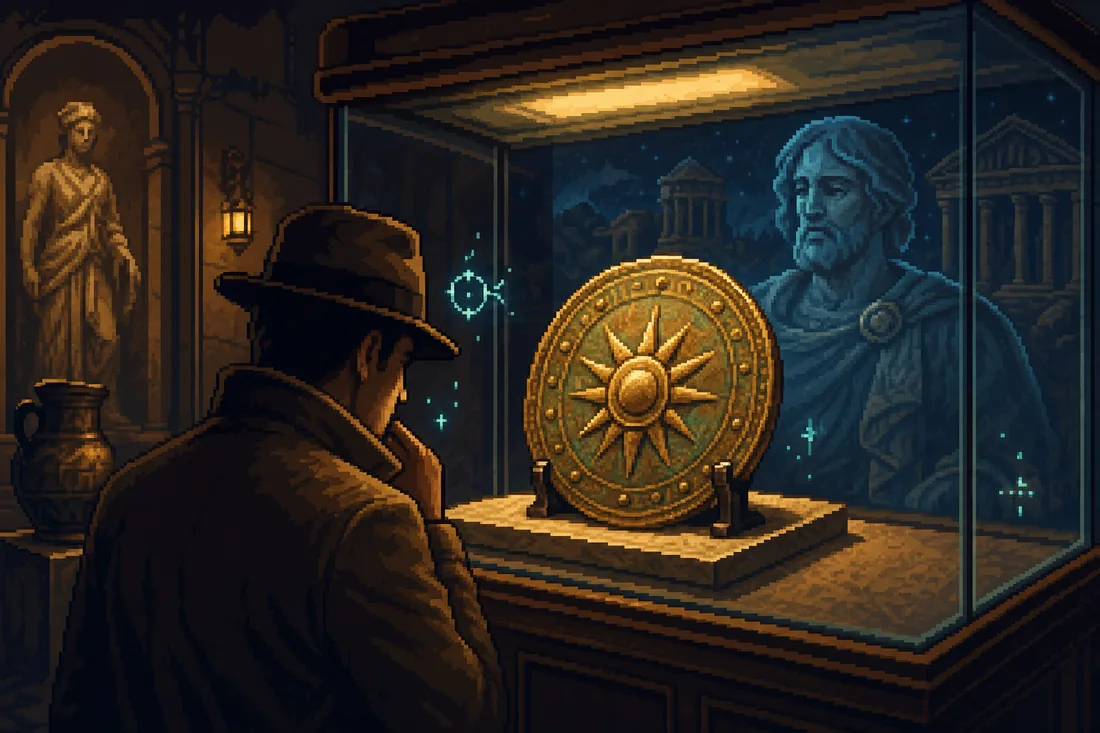
ARGOS does not copy a real museum one to one. It takes the curiosity and cultural weight of museums, then turns them into mobile pixel art scenes you can explore, question, and connect to a case.
Each room carries atmosphere: stone, bronze, glass, and shadow all become clues.
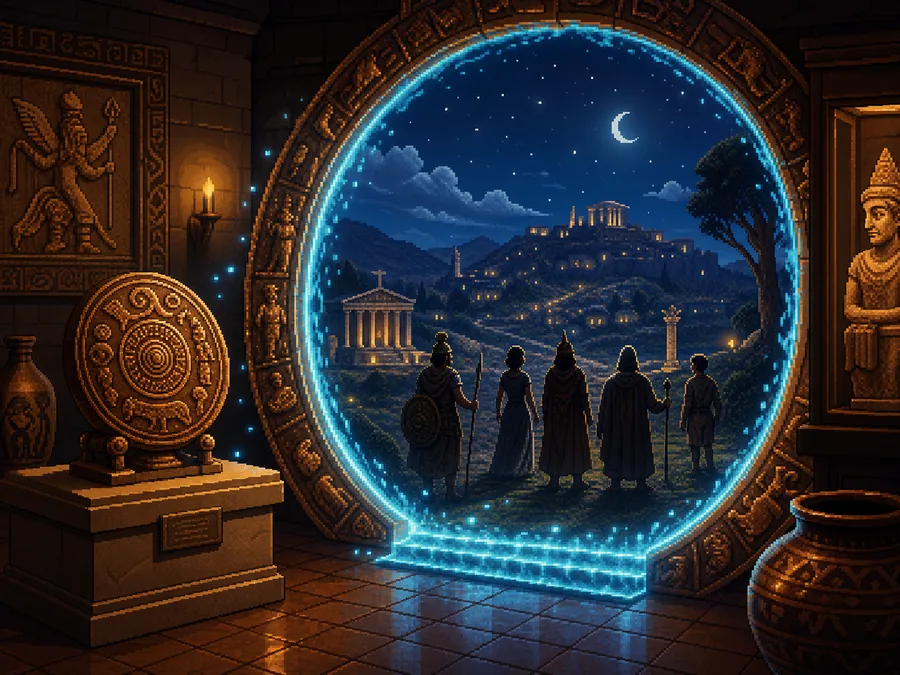
An artifact is not only explained. At the right moment, it moves you into the scene where it mattered.
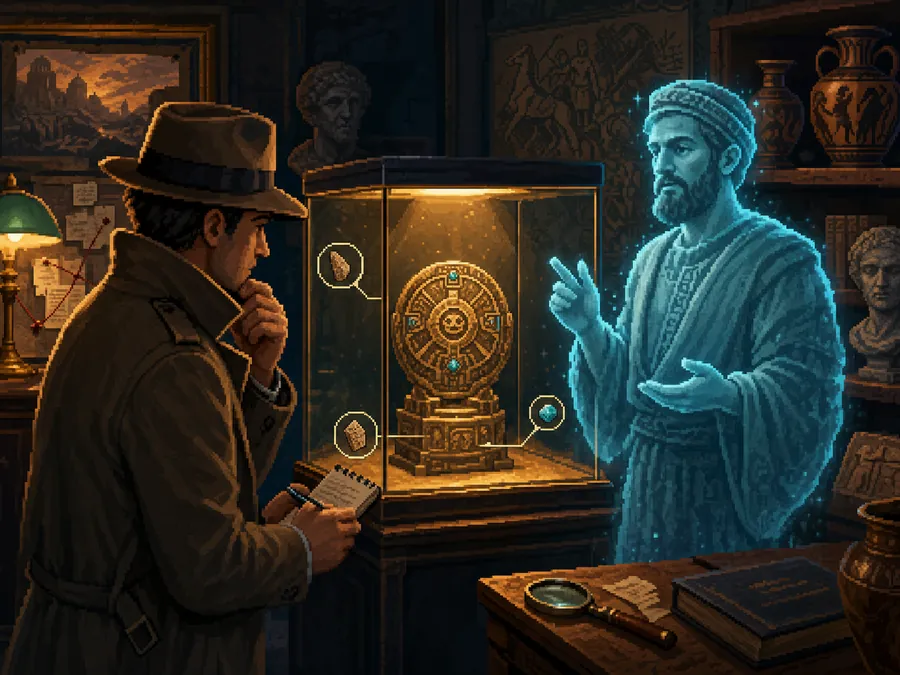
Speak with historical characters, test their claims against evidence, and reach the conclusion yourself.
Pixel art, mobile detective stories, AI conversation, and historical fiction have each proven their audience. ARGOS brings them together around the cultural memory of Anatolia.
Readable visuals, strong atmosphere, and low hardware requirements make pixel art a practical mobile choice.
Players give time to a well-written mystery when the evidence and testimony are worth unpacking.
Witness interviews can feel alive without letting AI solve the case for the player.
There is room for a Turkish mobile game positioned around cultural memory, mystery, and playful learning.
ARGOS stands at the intersection of cultural heritage, pixel art, and detective play.
ARGOS starts as a mobile game and grows into a content engine for playable cultural stories.
Turkish and English, mobile-first. A small set of rooms, several cases, and AI witness interrogation.
Community-authored cases, characters, and historical settings expand the content layer.
A white-label digital twin and storytelling layer for museums, collections, scenarios, and visitor analytics.
Join the list for demo rooms, closed tests, and mobile launch updates. No spam, only when the game is actually ready to play.
ARGOS is developed inside the METU Technopolis ecosystem through the METU STARS acceleration program.
Vision, museum partnerships, pitch coordination.
Technical architecture, builds, production, Unity 2D.
Narrative, community, content, design execution with Sait.
Pixel art, UI/UX, story writing.
Unit economics, funding paths, sustainability.
METU STARS · 2026 cohort · Demo Day: June 2, 2026